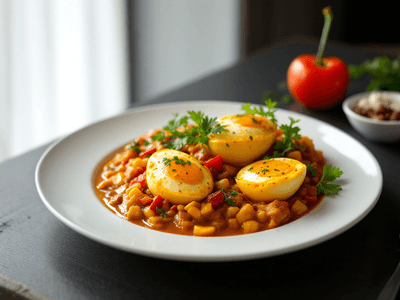
Punjabi Egg Curry
North Indian • Non-Vegetarian
How to Make Punjabi Egg Curry (Traditional & Healthy Version)
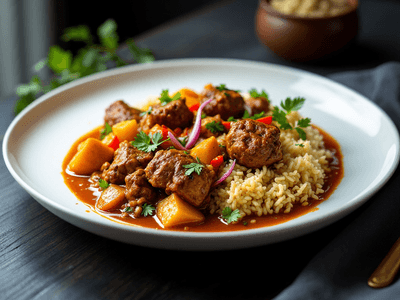
Punjabi Egg Curry, known locally as Anda Curry, is a beloved North Indian dish featuring boiled eggs simmered in a rich, spiced tomato-onion gravy. This curry exemplifies the robust flavors of Punjab, where hearty meals are a staple, especially during cold winters and festive gatherings like Lohri. The dish is popular for its simplicity, nourishing qualities, and the way it pairs perfectly with roti, jeera rice, or phulka. The aromatic blend of garam masala, dhania (coriander), and haldi (turmeric) creates a comforting taste that appeals to all age groups. Egg curry is often enjoyed during lunch or as a light evening snack, making it a versatile addition to the Indian vegetarian repertoire. Its creamy texture, punctuated by the soft eggs and vibrant gravy, provides a satisfying meal without being heavy on calories. Traditionally served at family gatherings, this dish is also a favorite during festivals and get-togethers, offering a protein-rich alternative to paneer or legumes. Preparing Punjabi Egg Curry at home allows you to control the oil and spices, making it a healthier choice for calorie-conscious food lovers.
Ingredients(for 1 medium bowl (about 250g) per serving)
- 4 Eggs (Anda)
- 2 medium, finely chopped Onions (Pyaaz)
- 2 medium, pureed Tomatoes (Tamatar)
- 1 tablespoon Ginger-Garlic Paste (Adrak-Lahsun Paste)
- 1, slit Green Chillies (Hari Mirch) - optional
- 1 teaspoon Coriander Powder (Dhaniya Powder)
- 1/2 teaspoon Turmeric Powder (Haldi)
- 1/2 teaspoon Red Chilli Powder (Lal Mirch Powder)
- 1/2 teaspoon Garam Masala (Punjabi Garam Masala)
- 1/2 teaspoon Cumin Seeds (Jeera)
- 2 tablespoons, chopped Fresh Coriander Leaves (Hara Dhaniya) - optional
- 1 tablespoon Mustard Oil (Sarson ka Tel)
- to taste Salt (Namak)
Instructions
- 1
Boil eggs in water for 10 minutes. Cool, peel, and lightly score each egg to allow flavors to penetrate.
10 minutes
Scoring eggs helps them absorb the masala for richer taste.
- 2
Heat mustard oil in a kadhai (wok) until it smokes. Lower heat and add cumin seeds; sauté until fragrant.
2 minutes
Smoking mustard oil removes bitterness and enhances flavor.
- 3
Add chopped onions and sauté until golden brown. Stir in ginger-garlic paste and green chillies; cook until raw smell fades.
5 minutes
Keep stirring to prevent burning and ensure even browning.
- 4
Add tomato puree, turmeric, coriander powder, red chilli powder, and salt. Cook until oil separates and masala thickens.
5 minutes
Cooking tomatoes well deepens the gravy's flavor.
Why This Dish is Healthy
This recipe uses minimal oil, fresh ingredients, and lean protein, making it ideal for those watching calories. By avoiding cream and excess ghee, the curry remains light yet flavorful. Eggs are a complete protein source, and the masala is packed with health-boosting spices. The dish is free from refined flour and can be paired with whole grains for a balanced meal.
Punjabi Egg Curry is rich in high-quality protein from eggs, essential for muscle repair and energy. Eggs provide vitamin B12, vitamin D, and healthy fats. The gravy, made with tomatoes and onions, offers antioxidants like lycopene and vitamin C, supporting immune health. Using mustard oil adds omega-3 fatty acids, while spices like turmeric and cumin aid digestion and have anti-inflammatory properties. Overall, this dish balances protein, complex carbs, and micronutrients.
Pro Tips
- 💡Tip 1: Use freshly ground garam masala for authentic Punjabi aroma.
- 💡Tip 2: Mustard oil enhances flavor, but ensure it's well heated to remove bitterness.
- 💡Tip 3: For extra richness, garnish with a squeeze of lemon and fresh coriander.
Storage & Serving
Store leftover curry in an airtight container in the refrigerator for up to 2 days. Reheat gently on a tawa or in a microwave before serving. Add a splash of water if gravy thickens.
Best served: Breakfast or Lunch
Nutrition Facts
| Nutrient | Per 100g |
|---|---|
| Energy | 250.0 kcal |
| Protein | 5.8 g |
| Carbohydrates | 6.5 g |
| Total Fat | 7.2 g |
| Fiber | 1.4 g |
| Sugars | 2.1 g |
| Iron | 1.6 mg |
| Calcium | 54.0 mg |
| Sodium | 340.0 mg |
| Potassium | 170.0 mg |
| Cholesterol | 140.0 mg |
| Vitamin A | 320.0 IU |
| Vitamin C | 7.0 mg |
| Magnesium | 18.0 mg |
| Zinc | 0.7 mg |
| Phosphorus | 110.0 mg |
| Vitamin D | 1.1 IU |
| Vitamin B1 (Thiamine) | 0.1 mg |
| Vitamin B2 (Riboflavin) | 0.2 mg |
| Vitamin B3 (Niacin) | 0.9 mg |
| Vitamin B6 | 0.1 mg |
| Vitamin B12 | 0.7 µg |
| Folate | 38.0 µg |